Get Basement Drainage Installation
Basement drainage installation services help property owners prevent water damage and flooding by installing effective drainage systems in various basement projects with local contractors.
Proper basement drainage is essential for maintaining the integrity and value of a property. If you're experiencing issues with water pooling, dampness, or foundation concerns, exploring drainage installation options can provide practical solutions. Property owners in the area often consider this work to prevent future problems, protect their investments, and improve overall home comfort. Continuing to read can help you understand the benefits and find local contractors equipped to handle your drainage needs effectively.
Comparing local service providers ensures you find experienced and reliable contractors who specialize in basement drainage systems. Planning a drainage project carefully allows property owners to address specific site conditions and select the most suitable solutions. By exploring your options and gathering information, you can make informed decisions about the best approach to safeguard your property against water-related issues.
- Basement drainage system installation - needed when water pooling or flooding occurs in the basement after heavy rains.
- Drainage pipe installation - required to direct groundwater away from the foundation to prevent water damage.
- Sump pump setup and repair - essential for removing accumulated water and reducing basement flooding risks.
- Exterior drainage solutions - useful when surface runoff causes water intrusion into the basement.
- Foundation waterproofing with drainage - necessary to protect the basement from moisture infiltration and structural issues.
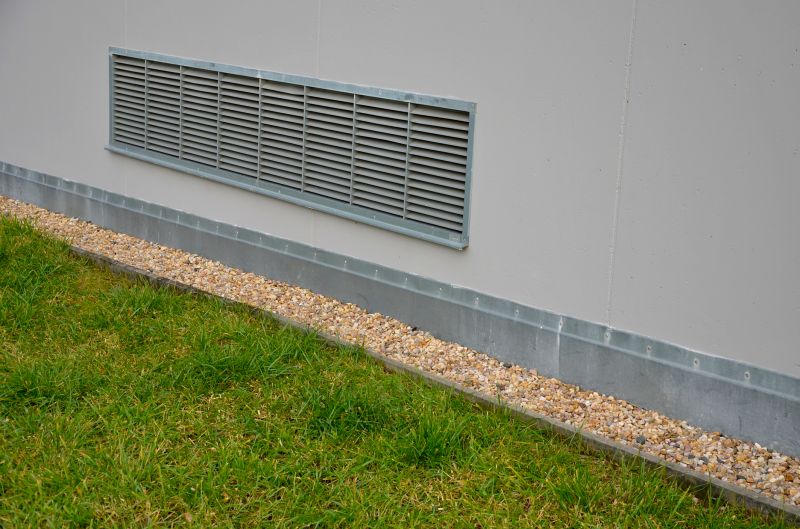
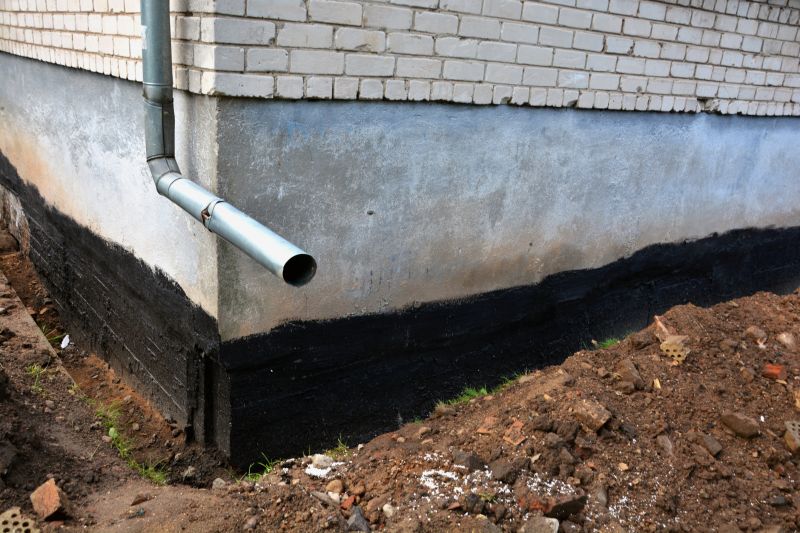
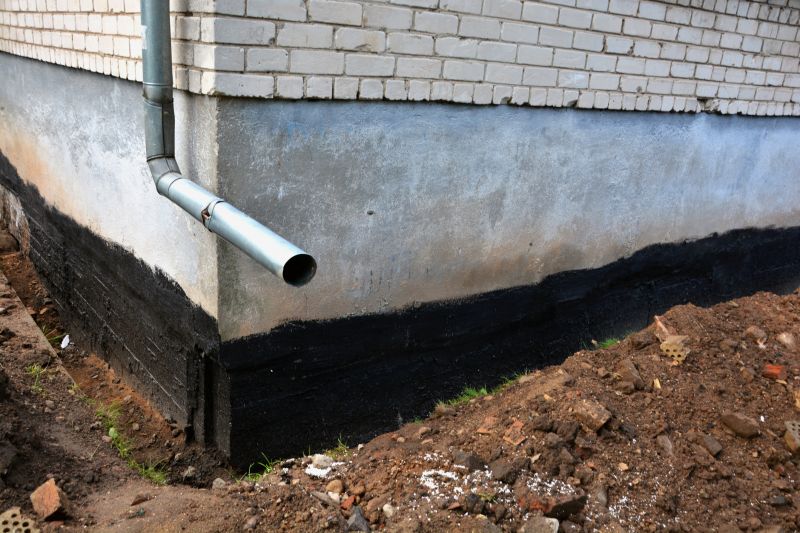
Basement drainage installation involves setting up systems that direct excess water away from a property's foundation and basement area. This service typically includes installing drain pipes, sump pumps, and other drainage components designed to manage water flow effectively. Proper installation helps prevent water from seeping through basement walls or floors, reducing the risk of water damage, mold growth, and structural issues. Local contractors skilled in basement drainage can assess the property's specific needs and design a system that ensures reliable water management, especially in areas prone to heavy rainfall or high groundwater levels.
Many common problems can be addressed through basement drainage solutions. Homes experiencing frequent flooding or water accumulation in the basement often benefit from improved drainage systems. Signs such as damp walls, musty odors, or visible water stains indicate that water is not draining properly around the foundation. Installing a comprehensive drainage system can help mitigate these issues by channeling water away from the property before it causes damage. This service is also useful for properties with poor grading or landscaping that directs water toward the foundation, creating a more effective barrier against water intrusion.
Basement drainage installation is frequently used in residential properties, including single-family homes, townhouses, and multi-unit buildings. These systems are especially valuable in areas with heavy rainfall, high water tables, or poor soil drainage. Homeowners who notice basement flooding, persistent dampness, or foundation cracks may find this service beneficial. Additionally, properties that are built on slopes or have inadequate yard drainage often require professional drainage solutions to protect their basements and maintain a dry, stable environment.
Understanding when to consider basement drainage installation is key for homeowners. If a property has experienced water intrusion, signs of moisture, or foundation issues, consulting with local contractors about drainage options can provide effective solutions. Properly installed drainage systems help safeguard the property's foundation, prevent costly repairs, and create a healthier living space. To explore options suited to specific property needs, homeowners can contact experienced service providers who specialize in basement drainage systems and can offer tailored recommendations.
The overview below groups typical Basement Drainage Installation projects into broad ranges so you can see how smaller, mid-sized, and larger jobs often compare in your area.
In many markets, a large share of routine jobs stays in the lower and middle ranges, while only a smaller percentage of projects moves into the highest bands when the work is more complex or site conditions are harder than average.
Smaller Repairs - typical costs for minor drainage fixes in basements range from $250 to $600. Many routine repairs fall within this range, covering issues like minor leaks or localized drainage adjustments. Larger or more complex repairs can cost more depending on the scope.
Drainage System Installations - installing a new basement drainage system generally costs between $1,500 and $4,000. Most projects in this category are mid-sized and stay within this range, though larger homes or advanced systems may increase the price.
Full Basement Waterproofing - complete waterproofing services can range from $5,000 to $15,000 or more. Many homeowners budget within this range for comprehensive solutions, while highly detailed or extensive projects can reach higher costs.
Full Replacement of Drainage Systems - replacing an existing drainage system often costs between $4,000 and $10,000, depending on the size of the basement and the complexity of the work. Larger, more intricate projects tend to push into the upper end of this range.
Actual totals will depend on details like access to the work area, the scope of the project, and the materials selected, so use these as general starting points rather than exact figures.
Foundation Waterproofing Projects - local contractors often use similar waterproofing techniques and tools as those used in basement drainage installation to prevent water intrusion and protect structural integrity.
Landscape Drainage System Installations - these projects involve planning and installing drainage solutions that manage surface and subsurface water, sharing skills with basement drainage systems.
Crawl Space Drainage Solutions - professionals installing drainage in crawl spaces utilize comparable planning, excavation, and waterproofing methods to ensure dry, stable spaces.
Retaining Wall Drainage Projects - installing drainage behind retaining walls requires similar understanding of water flow management and the use of drainage materials as in basement systems.
Sump Pump Installation Services - setting up sump pumps involves understanding water flow and drainage pathways, aligning closely with basement drainage installation expertise.
Excavation and Drainage for New Construction - contractors performing site excavation and drainage planning for new buildings employ skills relevant to installing effective basement drainage solutions.
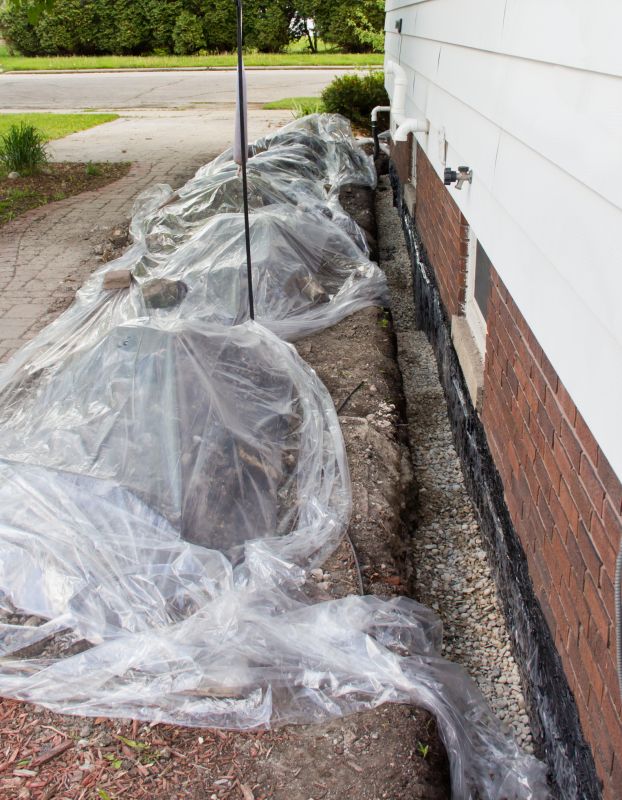
When comparing contractors for basement drainage installation, it’s important to consider their experience with similar projects. Homeowners should look for service providers who have a proven track record in installing drainage systems in environments comparable to their own. Asking about previous work can help gauge whether a contractor understands the specific challenges that might arise with basement drainage, such as soil conditions or existing foundation issues. An experienced contractor is more likely to anticipate potential problems and recommend effective solutions, ensuring the project is completed smoothly and effectively.
Clear, written expectations are essential when evaluating local contractors for basement drainage work. Homeowners should seek detailed proposals that outline the scope of work, materials to be used, and the steps involved in the installation process. Having this information in writing helps prevent misunderstandings and provides a basis for comparing different service providers. It also enables homeowners to ask informed questions and ensure that all aspects of the project are addressed upfront, leading to a more transparent and satisfactory experience.
Reputable references and good communication are key factors in choosing a reliable service provider. Homeowners can request references from previous clients or check online reviews to gain insight into the contractor’s reputation and quality of work. Additionally, responsive and clear communication during the inquiry process can indicate how well the contractor will handle ongoing updates or concerns throughout the project. The goal is to find local pros who are not only skilled but also approachable and transparent, making the process of installing basement drainage systems more straightforward and less stressful.
Property owners use Basement Drainage Installation services for practical projects around their homes and businesses. This guide focuses on everyday jobs and straightforward project options.
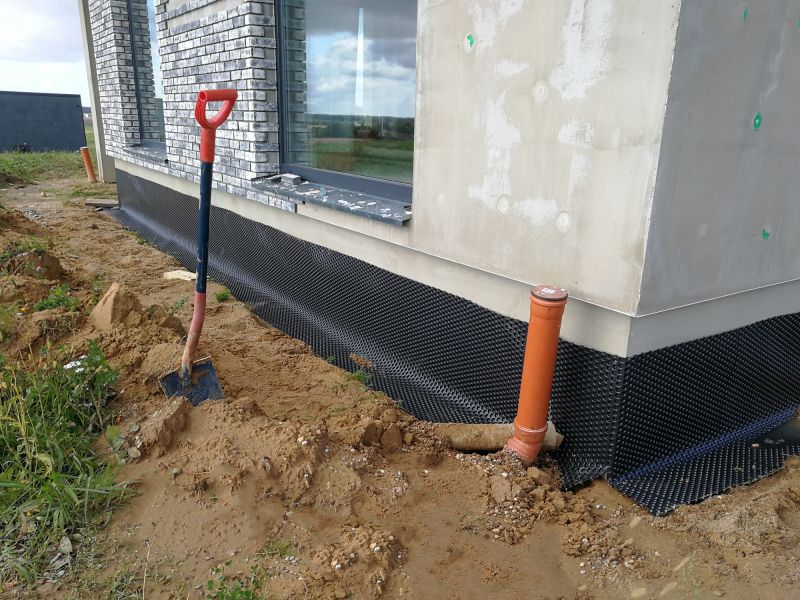
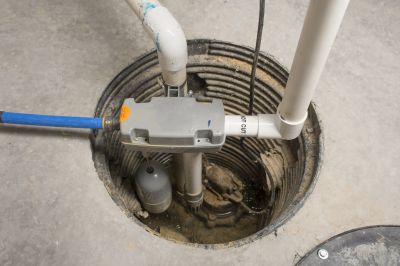
Basement drainage installation is often needed when property owners notice signs of excess water pooling or seeping into their basements after heavy rain or during seasonal changes. These issues can lead to dampness, mold growth, and structural concerns if not addressed properly. Local contractors who specialize in drainage solutions can evaluate the property's specific needs and recommend effective systems to keep basements dry and protected.
Many property owners seek basement drainage services to prevent future water problems and maintain the integrity of their homes. Whether it's installing new drainage systems around the foundation or upgrading existing setups, local service providers can handle a variety of projects to improve water management. Connecting with experienced contractors can help ensure that basement areas stay dry and safe, especially during unpredictable weather conditions.
What are the benefits of installing a basement drainage system? A properly installed basement drainage system can help prevent water intrusion, reduce moisture buildup, and protect the foundation from damage caused by excess water.
How do local contractors typically install basement drainage solutions? Contractors assess the basement area, determine the best drainage method, and install systems such as interior drain tiles, sump pumps, or exterior waterproofing to manage water flow effectively.
What types of basement drainage options are available? Common options include interior French drains, sump pump systems, exterior waterproofing membranes, and drain tile installations designed to divert water away from the foundation.
What factors influence the choice of basement drainage system? Factors include the basement’s layout, the severity of water issues, soil conditions, and the existing drainage infrastructure around the property.
How can I find local service providers for basement drainage installation? Use a lead generation service to compare and connect with local contractors experienced in basement drainage solutions in your area.
Basement Drainage System Installation - Property owners can improve basement dryness by installing effective drainage systems to prevent water buildup during heavy rains.
Drainage Maintenance and Repairs - Regular inspections and repairs by local contractors can help keep existing drainage systems functioning properly and prevent leaks.
Flood Prevention Solutions - Installing sump pumps and drainage channels can protect basements from flooding caused by excessive surface runoff.
Waterproofing and Sealing Services - Proper sealing of basement walls and floors helps minimize water infiltration and maintain a dry, stable space.
If you are thinking about Basement Drainage Installation for a property, this guide is meant to help you understand the work, the typical project types, and how different options might fit your plans.
When you are ready, you can use the quote form on this page to share a few details about your project. From there, local pros can review the basics and respond with options that match what you have in mind.