
Popular Landscape Drainage Solutions Products for Seamless Water Flow
Explore a selection of reliable products that help you control water runoff and protect your landscape from water damage.
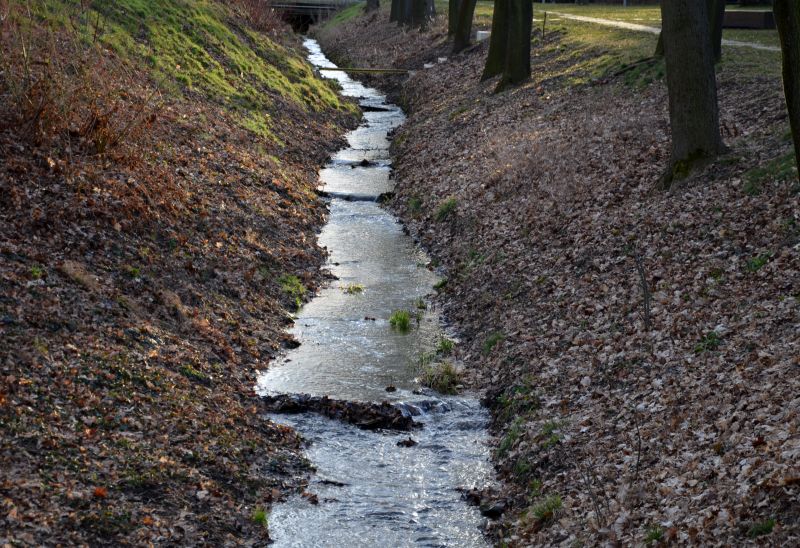 Effective landscape drainage solutions are essential for maintaining the integrity and appearance of outdoor spaces. Proper drainage helps prevent water accumulation that can lead to soil erosion, plant damage, and structural issues around properties. When selecting drainage products, it is important to consider the specific needs of the landscape, including soil type, slope, and the severity of water issues. A well-designed drainage system can efficiently channel excess water away from problem areas, promoting healthier lawns and gardens.
Top Overall Option
Flexible Corrugated Drainage Pipe
Flexible corrugated drainage pipes are versatile and easy to install, making them suitable for a variety of landscape drainage applications. They are designed to bend around obstacles and conform to different terrain types, facilitating efficient water flow. These pipes are typically made from durable plastic materials that resist cracking and corrosion, ensuring long-term performance. Their adaptability and straightforward installation process make them a popular choice for both DIY enthusiasts and professionals seeking reliable drainage solutions.
Types of Products For Landscape Drainage Solutions
Corrugated Drainage Pipe
Flexible and lightweight, used for underground drainage and directing water away from problem areas.
Perforated Drainage Pipe
Features small holes along its length to allow water to enter or exit, ideal for French drain systems.
Drainage Gravel and River Rock
Provides a porous base for drainage pipes and helps facilitate water flow while preventing soil clogging.
Drainage Mats and Panels
Installed beneath surfaces to improve water dispersion and prevent pooling.
Surface Channel Drains
Linear drains that collect surface water from patios, driveways, and walkways.
French Drain Kits
Complete systems that include pipes, gravel, and fabric to redirect groundwater effectively.
Drainage Grates and Covers
Protect open drainage channels while allowing water to flow freely.
Sump Pumps
Mechanized units that pump accumulated water from basements or low-lying areas.
Water Diverters and Barriers
Prevent water from entering unwanted areas and direct it toward drainage points.
Landscape Drainage Tiles
Flexible or rigid pipes designed specifically for landscape applications.
Drainage Sleeves
Protect pipes from soil and root intrusion, extending their lifespan.
Dry Creek Beds
Aesthetic, natural-looking features that channel water and add visual interest.
Rain Gardens and Bioswales
Vegetated areas designed to absorb and filter runoff water.
Catch Basins
Collect surface runoff and connect to underground drainage systems.
Drainage Fabric and Geotextiles
Prevent soil infiltration into drainage systems while allowing water flow.
Flexible Water Diverters
Adjustable barriers that help redirect water flow around landscape features.
Subsurface Drainage Systems
Comprehensive solutions for managing water beneath the surface.
Popular Choices
Widely used for French drain setups, facilitating water entry and exit.
Commonly paired with pipes to improve water flow and prevent clogging.
Frequently installed in driveways and patios to manage surface runoff.
Popular for DIY projects to redirect groundwater effectively.
Used in retaining walls and under decks to promote drainage.
Commonly placed in low spots to collect surface water and connect to underground pipes.
Chosen for their aesthetic appeal and functionality in water diversion.
Effective in controlling water flow around landscape features.
Frequently used in basements and low-lying areas prone to flooding.
Essential for preventing soil intrusion into drainage systems.
Versatile for various landscape drainage applications.
Protect pipes from root intrusion and soil debris.
Popular for managing stormwater runoff with aesthetic appeal.
Functional and attractive landscape features.
Effective for managing water beneath the landscape surface.
Adjustable options for directing water flow.
Commonly used to cover surface drains and prevent debris entry.
Help in controlling water movement around landscaping.
There is a wide array of products available to address various drainage challenges. From underground piping systems to surface drainage solutions, each type serves a particular purpose and can be tailored to the landscape's requirements. Proper installation and maintenance are key to ensuring these systems function effectively over time. It is also helpful to evaluate the ease of installation, durability, and compatibility with existing landscape features when choosing drainage products.
In addition to functional considerations, aesthetic integration is often important. Many drainage solutions can be incorporated seamlessly into landscape designs, such as decorative grates or natural-looking channels. Consulting with landscape professionals or researching product specifications can help in selecting options that meet both practical and visual goals. Investing in quality drainage products can contribute to a more resilient and attractive outdoor environment, reducing the risk of water-related damage and enhancing overall landscape health.
Key Buying Considerations
- Assess the severity and source of drainage issues to select appropriate solutions.
- Consider soil type and landscape slope when choosing drainage products.
- Determine whether underground, surface, or combined drainage is needed.
- Evaluate the durability and material quality of the products for long-term performance.
- Check compatibility with existing landscape features and infrastructure.
- Review installation requirements and whether professional help is needed.
- Factor in the size and capacity of the drainage system relative to the area to be managed.
- Consider ease of maintenance and accessibility for cleaning or repairs.
- Look for products that can be integrated seamlessly into the landscape design.
- Assess the potential for future expansion or modifications of the drainage system.
- Evaluate the environmental conditions, such as freeze-thaw cycles, that may impact product choice.
- Determine budget constraints while balancing quality and longevity.
- Research product warranties or guarantees for added assurance.
- Check user reviews and expert recommendations for insights on performance.
- Ensure that the selected products meet local building codes and regulations.